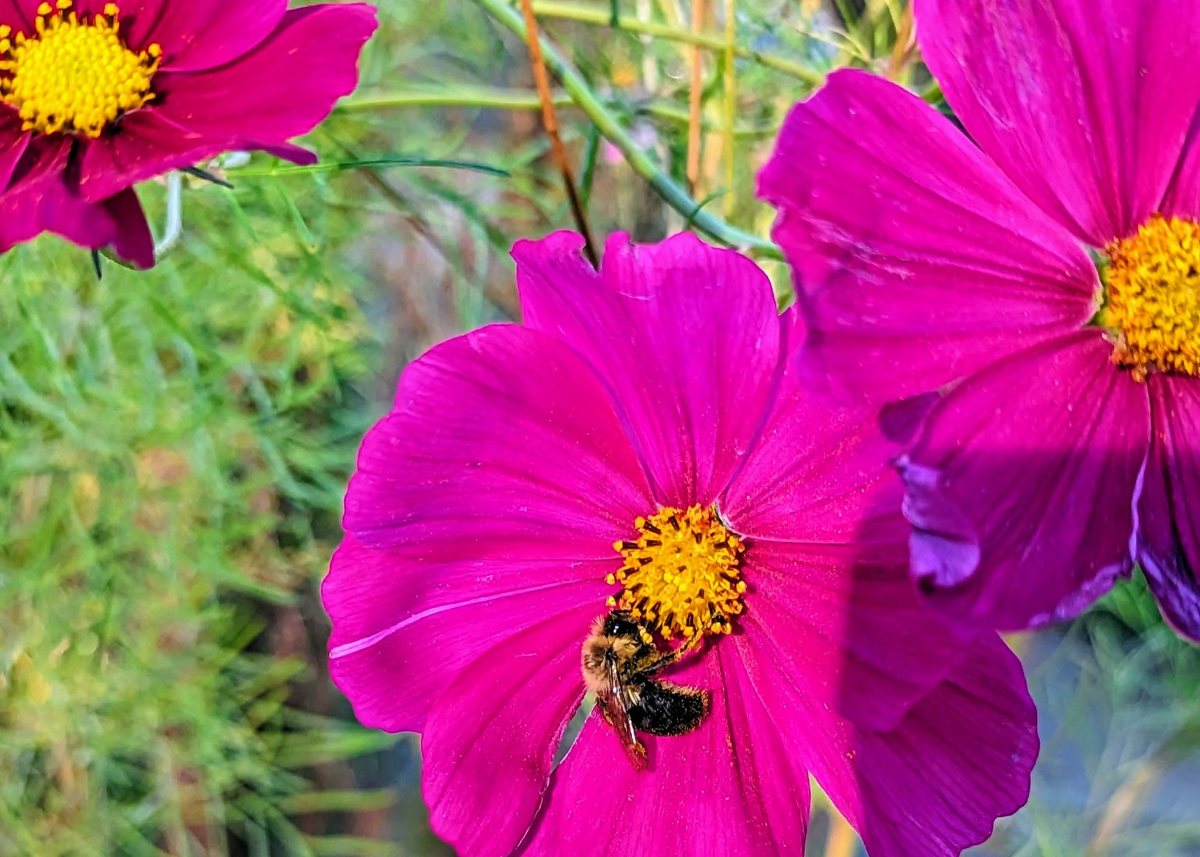
Purple Coneflower
$14.00The workhorse of a pollinator border. Flowers for two months and feeds goldfinches all winter.
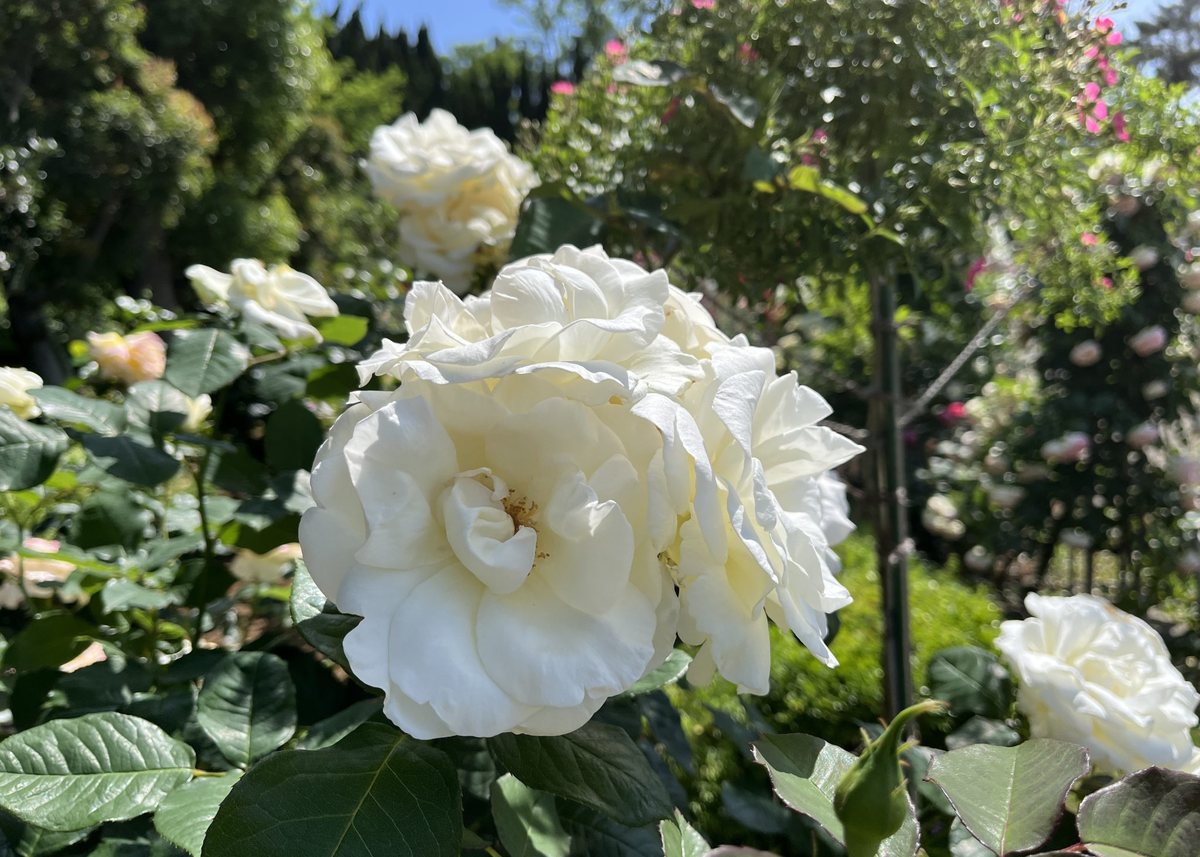
Physocarpus opulifolius
The shrub we named the place after. Nearly unkillable, and the bark peels in winter.
We don't sell online — plants travel badly and we'd rather you saw what you're buying. Ring 705-555-0126 and we'll hold it at the till for 48 hours.
If you want one shrub that will survive whatever Simcoe County does to it, this is the one. Native from here to the prairies, indifferent to soil type, and it flowers on a plant nobody has watered in three years.
The common name comes from the bark, which shreds in papery layers on older stems — supposedly nine of them. It is the reason a ninebark looks like something in February when everything else looks like sticks.
White flower clusters in late May, red seed heads through summer, and cultivars in everything from lime to near-black foliage. Cut a third of the oldest stems to the ground each spring and it will stay dense rather than turning into a leggy thicket.
The workhorse of a pollinator border. Flowers for two months and feeds goldfinches all winter.
Blue-green in summer, copper and mahogany from September until you cut it down in April.
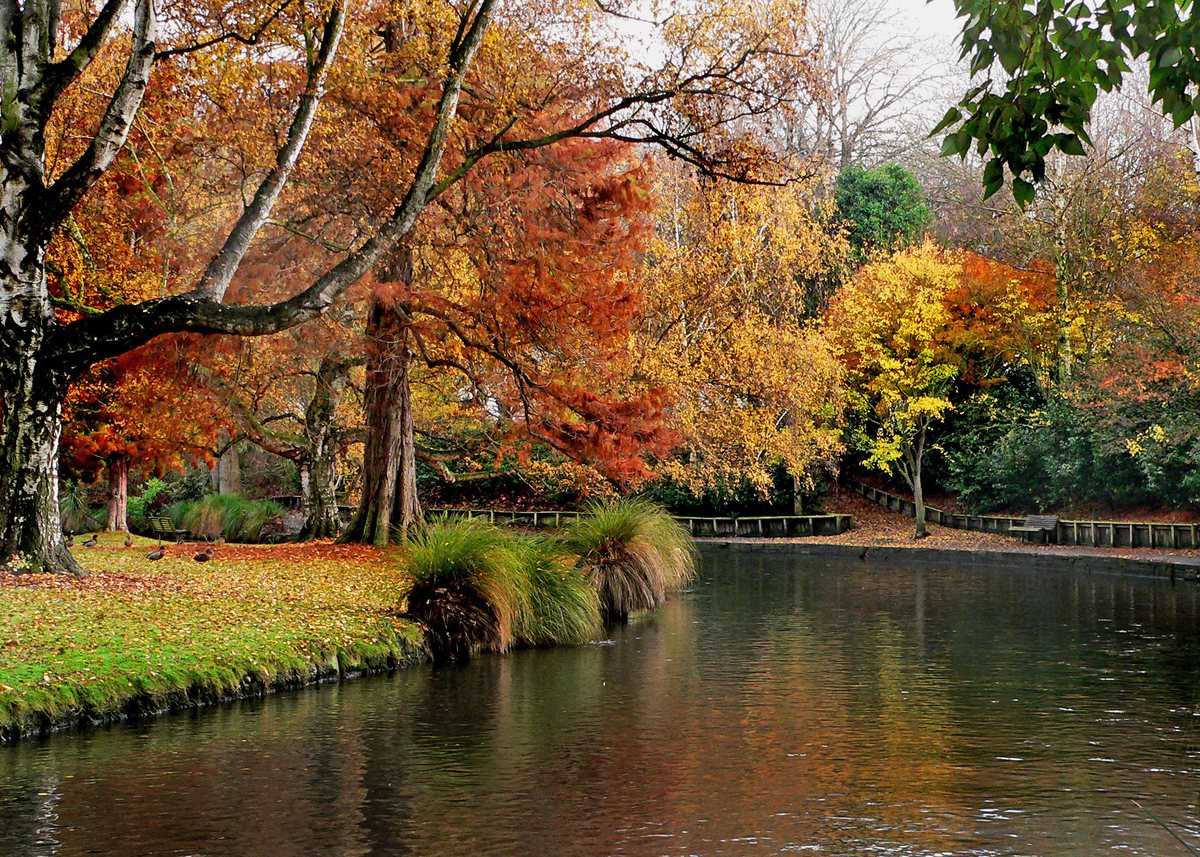
A small native tree that earns its space four times a year — and the berries are worth eating.